
International Human Rights and the Death Penalty Symposium
Florida led the United States in executions in 2025, accounting for 19 executions—approximately 40% of the national total. Against this backdrop, the International Human Rights and the Death Penalty Symposium will convene an exceptional group of globally recognized scholars, practitioners, and policymakers at Florida State University College of Law.
Bringing together leading voices on this topic from across the world, the symposium will examine capital punishment through an international human rights lens. Discussions will explore legal, ethical, and comparative perspectives, fostering rigorous and informed dialogue on one of the most complex and consequential issues in modern law.
Distinguished speakers include Sister Helen Prejean; Tsakhiagiin Elbegdorj, former President of Mongolia; Mario Marazziti, former deputy in Italy's Camera dei Deputati; Mark Olive, a nationally recognized death penalty litigation expert; Professor Corinna Barrett Lain, University of Richmond School of Law; Professor William Schabas, Middlesex University, London; Robin Maher, Executive Director of the Death Penalty Information Center, with more to come.
We hope you will join us for this important and globally informed discussion.
This event is free and open to the public. This event is approved for 8.0 General CLE and 1.0 for Ethics.
Watch the Symposium
Photo Gallery
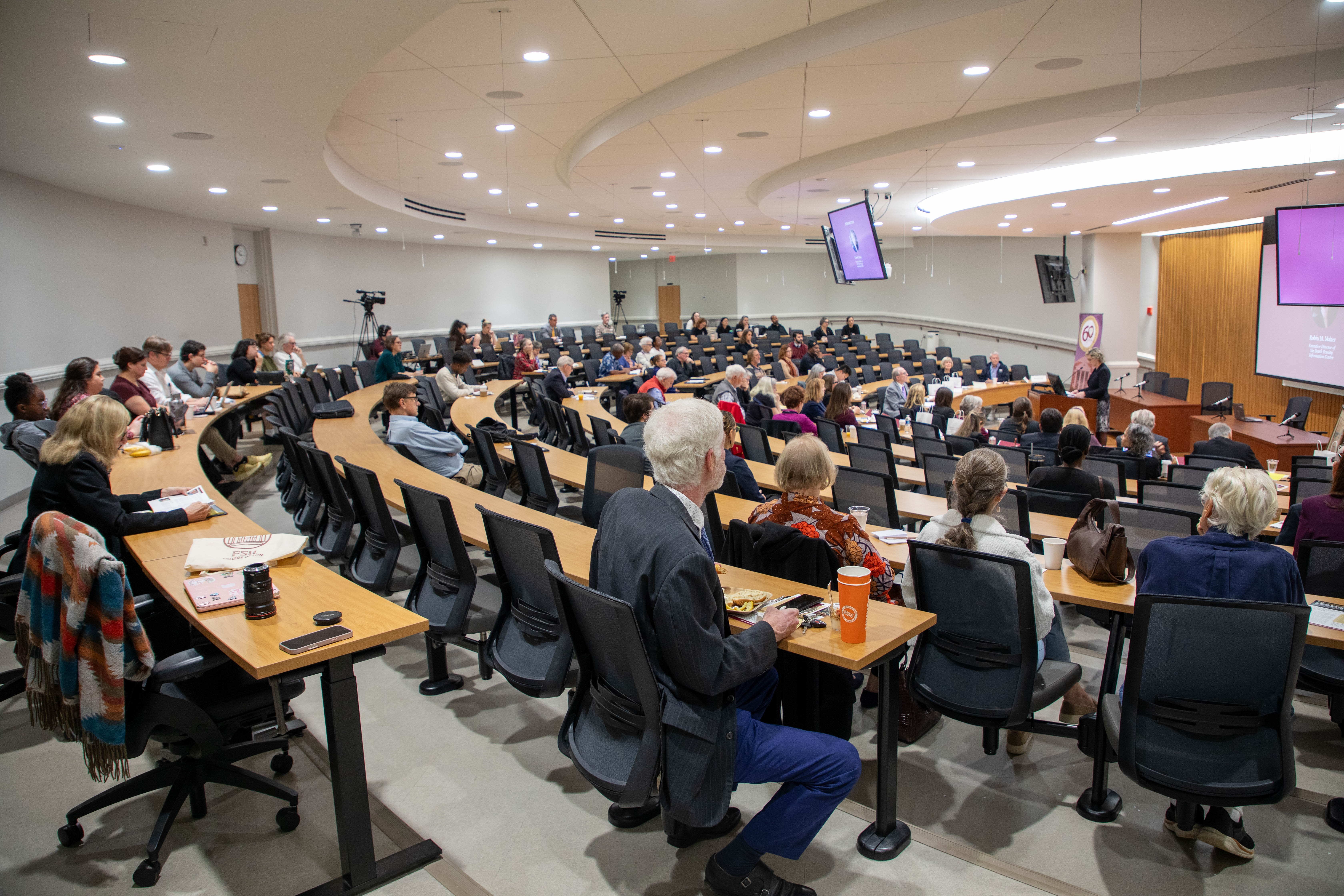
Moments from the Symposium
Schedule
FSU College of Law – Registration will take place in the atrium; all of the sessions will take place in the Main Classroom Building, Room 101; Reception will take place in the D’Alemberte Rotunda.
8:30–9:00 a.m.
Continental Breakfast, Atrium
9:00–9:05 a.m.
Dean’s Welcome — FSU College of Law Dean Erin O’Hara O’Connor
9:05–9:30 a.m.
Opening Presentation — Robin M. Maher
9:30–10:15 a.m.
Morning Keynote — President Elbegdorj Tsakhiagiin
Introduced by Professor Terence C. “Terry” Coonan
10:15–10:30 a.m.
Break
10:30–11:15 a.m.
Legal Perspectives Panel
Speakers: Katherine Blair, Mark Olive and Pete Mills
Moderator: Professor Melanie Verdecia
11:15 a.m.–12:00 p.m.
Methods of Execution Panel:
Addressing Firing Squad, Nitrogen, and Lethal Injection
Speakers: Maria DeLiberato and Professor Corinna Barrett Lain
Moderator: Bailey Ellicott
12:00–12:15 p.m.
Lunch Pickup, Atrium
12:15–1:00 p.m.
International Perspectives Panel
Speakers: Mario Marazziti and Professor Bill Schabas
Moderator: Professor Corinna Barrett Lain
1:00–1:15 p.m.
Break
1:15–2:15 p.m.
Families of Victims Panel
Speakers: Professor Jennifer Parker LaVia and Kate Grosmaire, family members
Moderator: Grace Hanna
2:15–2:30 p.m.
Break
2:30–3:45 p.m.
Film Screening & Panel Discussion: The Window on Death Row
Speakers: Father Dustin and Joaquín José Martínez
Moderator: Linda Freund
3:45–4:00 p.m.
Break
4:00–5:00 p.m.
Afternoon Keynote — Sister Helen Prejean
Introduced by Professor Terence C. “Terry” Coonan
5:00–5:05 p.m.
Final Remarks — Professor Martin Kavka
5:05–6:00 p.m.
Reception, D’Alemberte Rotunda
Lineup

Elbegdorj Tsakhiagiin
Former President of Mongolia, Bernard and Susan Liautaud Visiting Fellow, 2022-2023 & 2023-2024 at Stanford University
Former President of Mongolia Tsakhiagiin joined the Freeman Spogli Institute for International Studies (FSI) and the Walter H. Shorenstein Asia-Pacific Research Center (Shorenstein APARC) in 2023 as Bernard and Susan Liautaud Visiting Fellow from February 2023 to July 2023, and from November 2023 to April 2024, after a career in public service to Mongolia as a Member of Parliament, Prime Minister, and President. Currently, Mr. Tsakhiagiin is continuing his work to improve public policy, governance, and democracy through the Elbegdorj Institute, a think tank he founded in 2008. Mr. Tsakhiagiin holds a Master of Public Administration from Harvard University John F. Kennedy School of Government (2002). While at Stanford, his focus included democracy, disarmament, and governance across Asia.

Sister Helen Prejean
Roman Catholic Sister, Author and Advocate
Sister Helen Prejean is the public face of the Ministry Against the Death Penalty. She spends most of her time giving speaking engagements across the USA and internationally, teaching people about the realities of the death penalty and encouraging people to educate themselves on the issue. Sister Prejean has authored Dead Man Walking, which was adapted into a film and opera, and later wrote The Death of Innocents: An Eyewitness Account of Wrongful Executions. Prejean served as the National Chairperson of the National Coalition to Abolish the Death Penalty from 1993-1995. She also established The Moratorium Campaign, and SURVIVE Group. Sister Prejean wrote a memoir titled River of Fire: My Spiritual Journey, which discusses her spiritual journey leading to her social justice work.

Katherine Blair
Assistant Chief at Capital Habeas Unit of the Federal Public Defender, Northern District of Florida
Katherine Blair has represented individuals on death row for the entirety of her legal career. Prior to her current role as the Assistant Chief of the Capital Habeas Unit for the Northern District of Florida, Blair served as a staff attorney in the Kentucky Department of Public Advocacy’s Capital Postconviction Unit. She is grateful for her initial exposure to this work through her legal education at the University of Michigan, including internships with the Capital Appeals Project in New Orleans and the Southern Center for Human Rights in Atlanta.
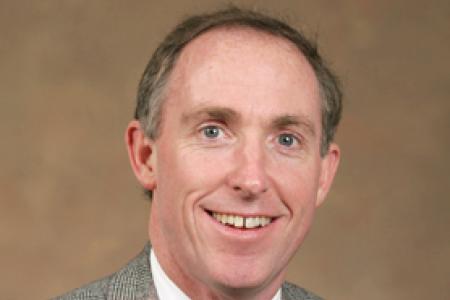
Professor Terence C. “Terry” Coonan
Courtesy Professor of Law at FSU College of Law, Executive Director of the FSU Center for the Advancement of Human Rights, and Associate Professor of Criminology at FSU
Professor Coonan leads the multidisciplinary center's efforts to educate and train a new generation of human rights advocates, track human rights issues and serve as an advocate for human rights nationally and internationally. Professor Coonan has served as the Managing Editor of the Human Rights Quarterly. He also has worked at the Department of Justice in the Executive Office for Immigration Review, litigated asylum and immigration cases nationwide, and has worked on various United Nations human rights projects.
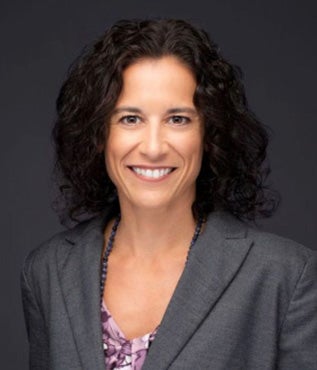
Maria DeLiberato
Senior Counsel for the Capital Punishment Project at the American Civil Liberties Union (ACLU)
DeLiberato’s work primarily focuses on unjust executions and end-stage death warrant litigation. Prior to her role at the ACLU, DeLiberato was a capital defense attorney for 20 years, where she handled all aspects and stages of capital representation. DeLiberato joined Capital Collateral Regional Counsel (CCRC), where she spent nearly 13 years representing individuals on Florida’s death row in their post-conviction appeals. Among the many highlights of her dedicated career was securing the freedom of Clemente Aguirre, who was exonerated after a decade on Florida’s death row. DeLiberato then joined the Office of the Public Defender for the 6th Judicial Circuit of Florida, where she spent seven years in the capital trial division handling first degree murder cases, including those where the State of Florida was seeking the death penalty. While working as an assistant public defender, DeLiberato also served as Executive Director for Floridians for Alternatives to the Death Penalty (FADP) for three years. FADP is Florida’s only statewide non-profit dedicated to ending the death penalty through legislative abolition. She remains FADP’s Legal and Policy Consultant.
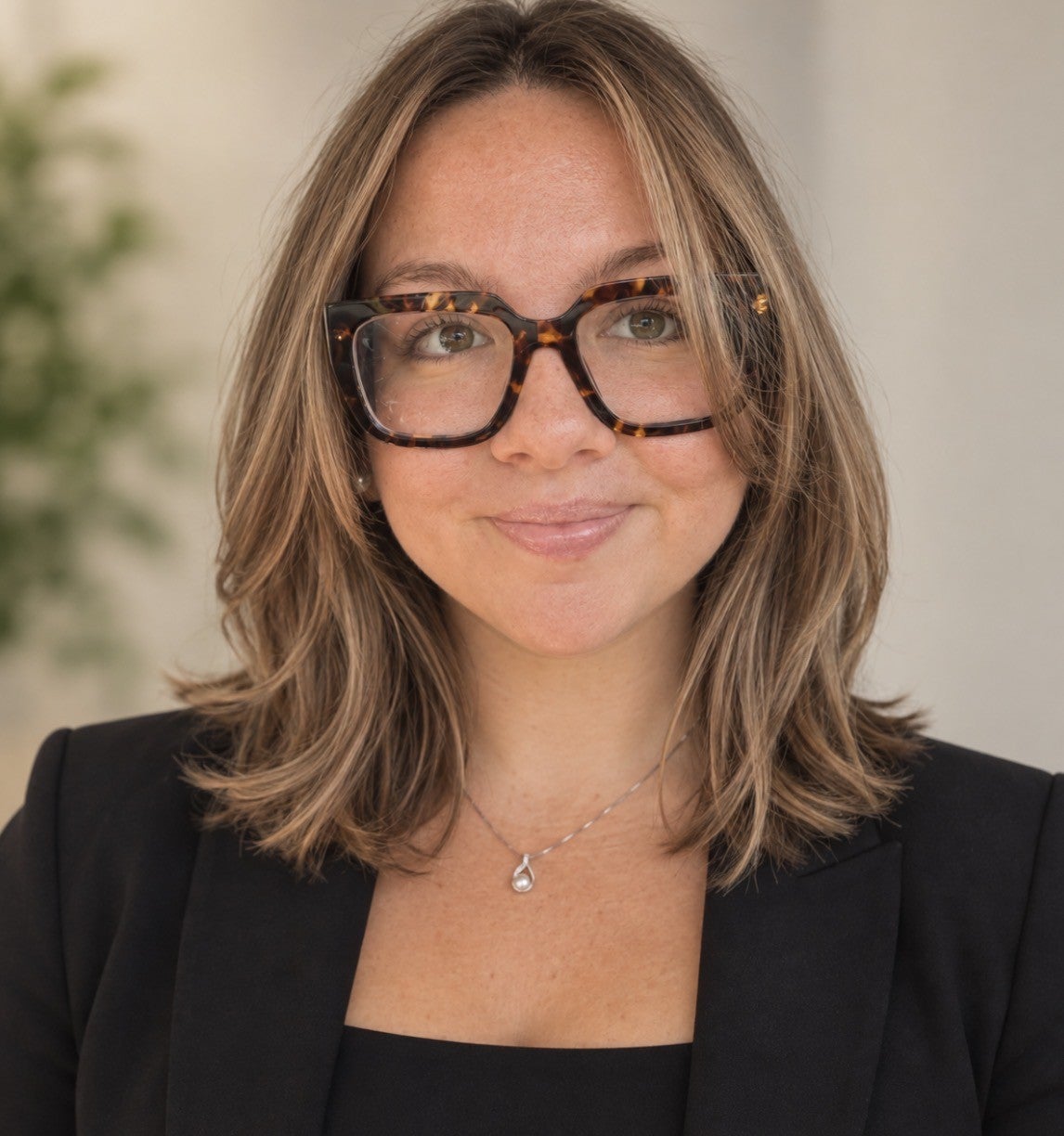
Bailey Ellicott
Attorney, Capital Habeas Unit of the Federal Public Defender, Northern District of Florida
Bailey Ellicott is an attorney at the Capital Habeas Unit of the Federal Public Defender’s Office for the Northern District of Florida. Prior to this role, Ellicott’s career centered around indigent criminal defense through her work for the Federal Public Defender for the Eastern District of Virginia, the Virginia Indigent Defense Commission, and the Capital Habeas Unit of the Federal Community Defender for the Eastern District of Pennsylvania. In law school, Ellicott was a research assistant for Corinna Barrett Lain, author of Secrets of the Killing State: The Untold Story of Lethal Injection.
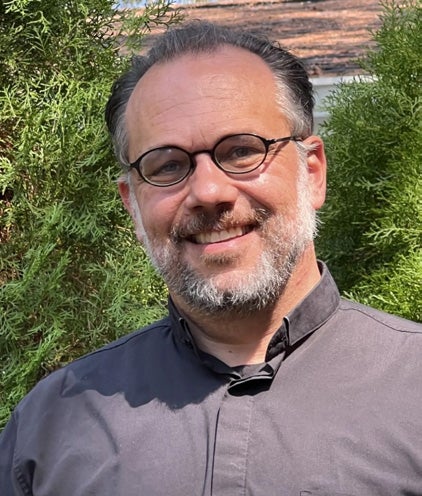
Father Dustin Feddon
Roman Catholic Father, Advocate
Father Dustin is the founder of Joseph House, a reentry community that opened in Tallahassee in 2018. After years of visiting the incarcerated within Florida’s prison system, the FSU alum has become a leading voice advocating for the Church’s role in welcoming and accompanying the formerly incarcerated. He is the author of More Than Halfway Home: A Story of Accompaniment in the Shadows of Incarceration.
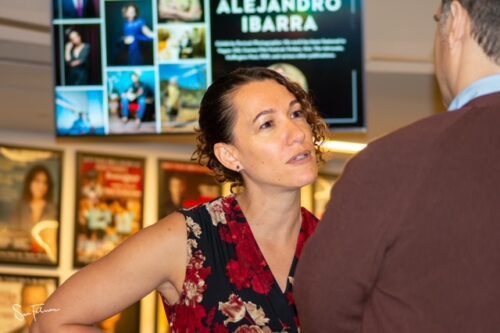
Linda Freund
Director and Documentary Filmmaker
Freund is an award-winning documentary filmmaker and journalist based in Barcelona. She directed the documentaries The Migrant Priest (2022, Italy) and The Window on Death Row (2025, Spain). Most recently, she was a senior video journalist at The Wall Street Journal and a journalism fellow at both the USC Center for Religion and Civic Culture and Brandeis University’s Chaplaincy Innovation Lab. Previously, she reported from conflict zones across South Asia and East Africa.

Kate Grosmaire
Family Member
Kate Grosmaire was introduced to restorative justice in 2010 after her 19-year-old daughter, Ann, was shot and killed by her boyfriend. Kate and her husband, Deacon Andy Grosmaire, successfully advocated for a restorative justice process to help shape his plea agreement in Tallahassee, Florida. Their case marked the first use of restorative justice before adjudication in a capital case in the United States. Today, she advocates for restorative justice practices that give families impacted by violence a meaningful voice in the legal process, foster accountability, and create opportunities for healing.
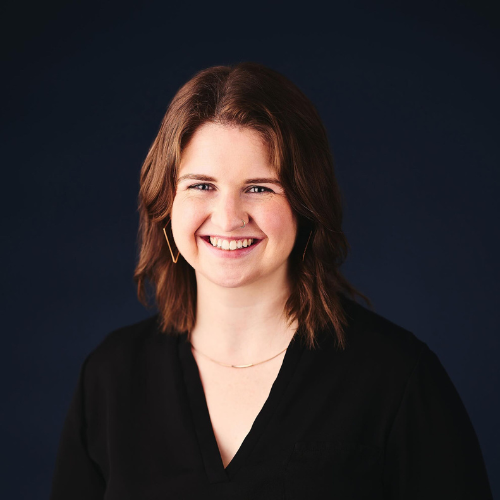
Grace Hanna
Executive Director of Floridians for Alternatives to the Death Penalty
Hanna is a social worker and murder victim family member based in Tallahassee, FL. She is active in death penalty abolition efforts at the state and national levels, and served on both FADP’s board and staff before stepping into the ED role. She has a particular interest in mitigation for individuals with serious mental illness facing capital charges, as well as in the political and social contexts underlying death penalty legislation. In addition to her work at FADP, Hanna is a practicing mental health clinician with a speciality in eating disorder treatment. Hanna received her BS in Sociology and Public Administration from Florida State University and her MSW from the University of Kentucky College of Social Work.
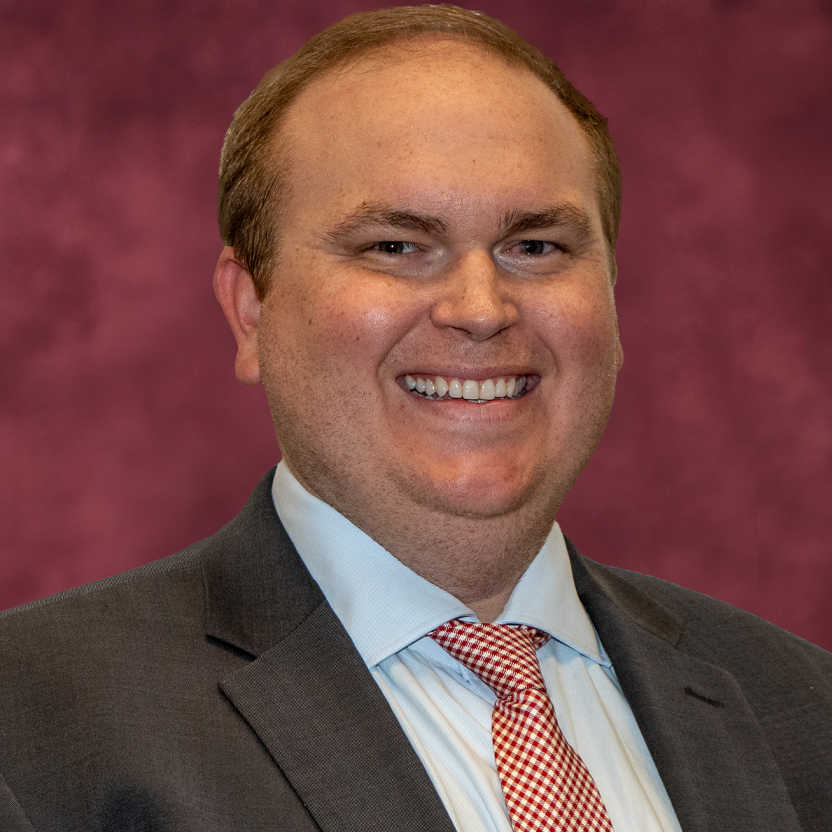
Bryant E. Harden
Instructional Specialist and Program Director for the Global Citizenship Certificate, Florida State University
Harden has a robust background in international relations and a passion for fostering cross-cultural understanding. Harden attended a service-learning program in South Africa that sparked a deep interest in global engagement, setting the course for his future endeavors. Following graduation from Mercer University with a B.A. in Political Science, Harden decided to gain more international experience and joined the Peace Corps. During his time as a volunteer in Mongolia Harden's passion for international education and intercultural understanding flourished. He spent over two years working alongside Mongolian counterparts, immersing himself in the local community and forming lasting connections. Through teaching English and fostering critical thinking skills, he witnessed the transformative power of education in shaping young minds.
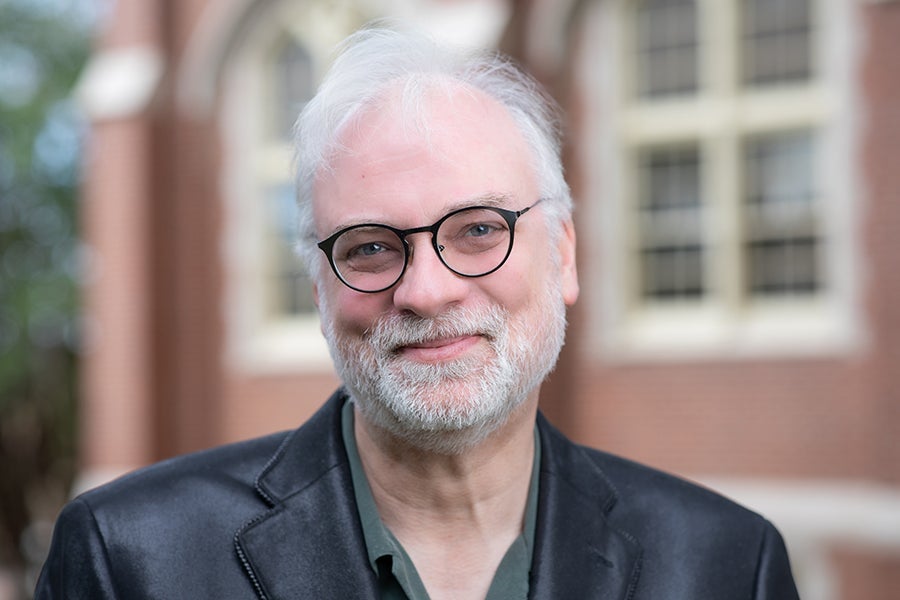
Professor Martin Kavka
Chair of the Department of Religion at Florida State University
Kavka's research over the last 25 years has treated how Jews in the modern West have appropriated, and resisted appropriating, various ideas and arguments in the canon of modern Western philosophy. He is currently at work on two projects: (a) the long-gestating "The Perils of Covenant," an argument that the “covenant theology” that became popular in American Jewish thought after World War II is politically obsolete at a time when Jews’ and Americans’ “enemies” are no longer godless communists but other religionists, and (b) a project on Jewish philosophy’s attempts to resist Christian hegemony.

Professor Corinna Barrett Lain
George E. Allen Chair in Law at the University of Richmond
Professor Corinna Lain is the George E. Allen Chair in Law at the University of Richmond School of Law. Professor Lain’s scholarship focuses on two areas—Supreme Court decision-making and the death penalty—and she has published numerous articles and essays about lethal injection over the last decade.
Her work has appeared in the nation’s top law journals, including the Stanford Law Review, University of Pennsylvania Law Review, Duke Law Journal, UCLA Law Review, and Georgetown Law Journal, among other venues. Professor Lain is a frequent presenter at both national and international conferences, and is co-author (with Ron Bacigal) of the Virginia Practice Series on criminal law, a four-volume treatise for the bench and practicing bar with new editions each year.
She clerked on the Tenth Circuit and then was a prosecutor for three years before joining the Richmond Law faculty in 2001. Professor Lain is a recipient of the University of Richmond’s Distinguished Educator Award and is a veteran of the United States Army. She has also authored, "Secrets of the Killing State: the Untold Story of Lethal Injection."
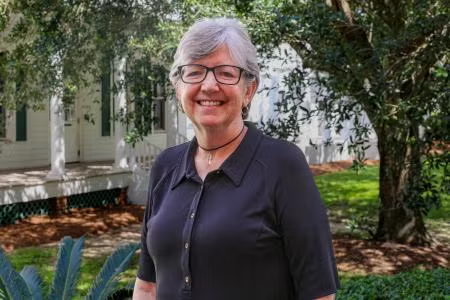
Professor Jennifer Parker LaVia
Legal Writing Professor at Florida State University College of Law
Jennifer LaVia is a Tallahassee native who graduated from Duke University and then went to the University of Florida law school. She practiced law in Tallahassee for 15 years as a trial lawyer and then left private practice to teach at FSU College of Law for 19 years. She was the Director of the FSU College of Law Veterans Legal Clinic for three years. In 2020, just before the pandemic, she started her own law firm, LaVia Law, to provide reduced-fee legal services to people who make too much money to qualify for legal aid and not enough to be able to afford full-price attorneys. She returned to FSU College of Law in 2024 to teach Legal Writing & Research I and II.
Professor LaVia’s father was murdered in 2004. She and her siblings opposed the prosecution’s decision to seek the death penalty. After the killer was convicted, she and her brother gave victim impact testimony asking the judge not to impose the death penalty. The killer is currently serving a life sentence with no possibility of parole.

Robin M. Maher
Executive Director of the Death Penalty Information Center
Robin Maher has extensive experience in the death penalty field, including direct representation and training of judges and defense lawyers throughout the United States and internationally. Her work with legislators, prosecutors, judges, defenders, and bar associations has been focused on improving the fairness and accuracy of death penalty cases and reducing the errors and mistakes that lead to wrongful convictions. Previously, Ms. Maher worked as Senior Counsel at the U.S. Department of Justice, Office for Access to Justice; as a division chief at the Administrative Office of the U.S. Courts, Defender Services Office; as an assistant federal public defender at the Capital Habeas Unit, Federal Community Public Defender, Eastern District of PA; and as Resource Counsel at the Texas Habeas Assistance and Training Project. For thirteen years, Ms. Maher was the Director of the American Bar Association Death Penalty Representation Project, where, under her leadership, the ABA produced guidelines for lawyers and judges in death penalty cases that are now the national standard of care in the United States. Since 2010, she has also been a Professorial Lecturer in Law at The George Washington University Law School, where she has taught classes on public interest law and capital punishment. Internationally, Ms. Maher has organized training seminars with judicial groups and bar associations in China, Japan, Malaysia, Pakistan, Taiwan, and Vietnam; trained capital defense lawyers working in Africa at Cornell Law School’s Makwanyane Institute; and trained and consulted with capital defense trial teams representing detainees held at Guantanamo.
She is a frequent speaker at national and international death penalty conferences and has also published several articles on the professional and ethical responsibilities of defense counsel in death penalty cases. Ms. Maher is the recipient of awards from the American Bar Association, Witness to Innocence, and the National Alliance of Sentencing Advocates & Mitigation Specialists.

Mario Marazziti
Former Deputy in Italy’s Camera dei Deputati, Community of Sant’Egidio Spokesperson, Social Sciences scholar, Historian, Columnist, TV Manager at “RAI”, and Human Rights advocate
Marazziti is the author of various books and essays in Italian and English. Among them, Thirteen Ways of Looking at the Death Penalty (Seven Stories Press), the conversation with Zygmunt Bauman in La luce in fondo al tunnel (Milan 2018), Porte Aperte (Milan 2019) and La grande occasione (Milan, 2023).
Co-founder of the World Coalition Against the Death Penalty, Marazziti coordinates for the Community of Sant’Egidio - as one of the founding group and historical international spokesperson - the World Day of the Cities Against the Death Penalty and the Congresses of Ministers of Justice “No Justice without Life”, two formats that since 2001 have had direct impact in several international abolition processes and at the UN General Assembly level to promote growing consensus to the Resolution calling for a worldwide moratorium on executions. From 2013-2018, as a MP in the Italian Camera dei Deputati, he served as President of the Human Rights Committee and as Chair of the Welfare and Health Commission and Vice-Chair of the Commission of Inquiry on the Migrants Welcome and Host National Network.
After being elected in 2013 to the lower House of Parliament in Italy, he has pursued a broad health, foreign affairs, human rights, welfare portfolio, promoting relevant bills that address key social and health issues.
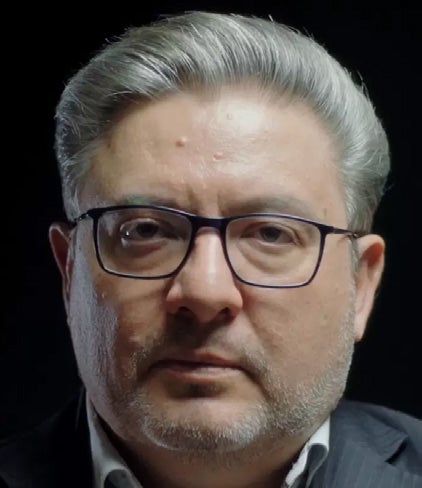
Joaquín José Martínez
Death Row Exoneree
Martínez spent four years on death row for a crime he did not commit. Martínez was convicted and sentenced to death on April 15, 1997. On appeal, the Florida Supreme Court remanded the case for retrial, based on prosecutorial misconduct in presenting evidence that prejudiced the jury, including a detective’s testimony saying that he believed Martínez was guilty. During a re-investigation of the case, the informants all admitted that detectives had promised them rewards for their testimony. Martínez was acquitted on June 6, 2001.
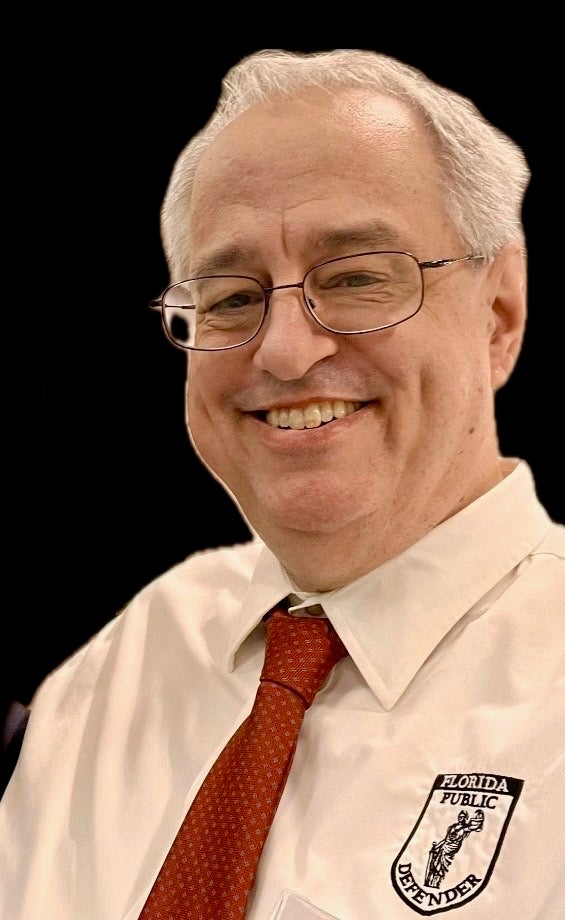
Pete Mills
Assistant Public Defender
Peter Mills is an Assistant Public Defender and has spent over thirty years primarily focused on capital litigation at the trial, post-conviction, and clemency levels across the State of Florida. He works for the Offices of the Public Defenders in the 2nd and 9th Judicial Circuits. Mills exceeds Florida’s standards required to serve as a lead trial counsel in capital trial cases under Fla. R. Crim. P. 3.112(f) and as lead counsel in capital postconviction proceedings under Fla. R. Crim. P. 3.112(k). He serves as the editor and a major author of the capital litigation manual Defending a Capital Case in Florida and writes a column regarding capital litigation in The Defender for the Florida Association of Criminal Defense Lawyers. Mills routinely lectures regarding capital issues at CLE seminars.
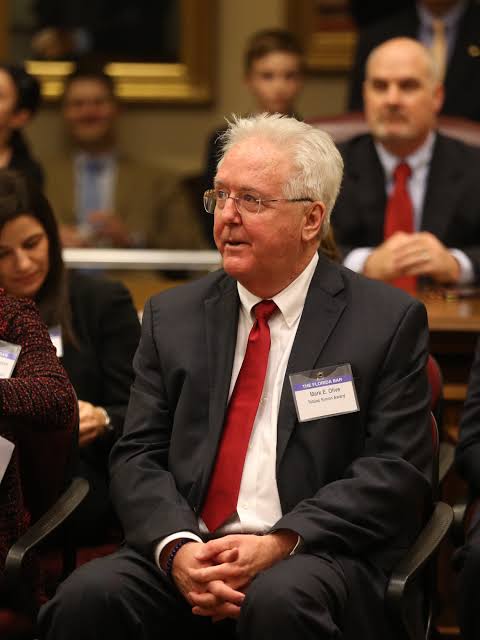
Mark Olive
Nationally Recognized Death Penalty Litigation Expert
Mark E. Olive is a capital litigator, teacher, and advocate who has worked in capital defense for more than 40 years. He has argued before the United States Supreme Court on behalf of several death-sentenced prisoners, and in 2002 he consulted with the attorneys litigating Atkins v. Virginia.
Olive opened the first death penalty resource center in Florida, where he mentored and advised defense attorneys, and later directed the Georgia and Virginia Resource Centers. After funding for the resource centers was eliminated in the mid-1990s, he helped create the National Habeas Assistance and Training Counsel program. In 2023, the American Bar Association’s Death Penalty Representation Project honored him for his lifetime commitment to quality representation for people on death row. He has served on the board of the Death Penalty Information Center.

William Schabas
Professor of International Law at Middlesex University of London
Professor William A. Schabas is a professor of international law at Middlesex University in London. He joined the Middlesex University faculty in 2011 after a distinguished career as a practicing lawyer (member of the Québec bar) and academic, having previously been professor of law at the Université du Québec à Montréal and the University of Galway.
Professor Schabas is also an emeritus professor at Leiden University and the University of Galway, honorary chairman of the Irish Center for Human Rights, and an invited visiting scholar at the Paris School of International Affairs (Sciences Po). He has appeared as counsel before several international and national courts and tribunals, including the International Court of Justice, the International Criminal Court, the Grand Chamber of the European Court of Human Rights, and the Supreme Court of Canada.
Professor Schabas was named an Officer of the Order of Canada in 2006. He has been awarded the Vespasian V. Pella Medal for International Criminal Justice of the Association internationale de droit pénal, the Gold Medal in the Social Sciences of the Royal Irish Academy, and he holds several honorary doctorates. Professor Schabas served as one of the commissioners of the Sierra Leone Truth and Reconciliation Commission from 2002 to 2004.
In 2014, he was appointed by the president of the United Nations Human Rights Council as chairman of the International Commission of Inquiry to investigate all violations of international humanitarian law and international human rights law in the Occupied Palestinian Territory, including East Jerusalem, particularly in the occupied Gaza Strip, in the context of the military operations conducted since 13 June 2014.
From 2009 to 2011, he was Chairman of the Board of Trustees of the United Nations Voluntary Fund for Technical Cooperation in the Field of Human Rights. Professor Schabas has prepared the quinquennial reports of the Secretary-General of the United Nations on the status of capital punishment for 2010, 2015, and 2020.
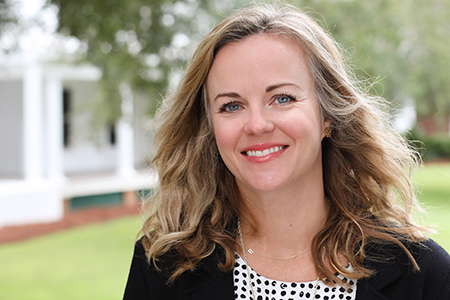
Professor Darby Kerrigan Scott
Middle Road Foundation Professor and Co-Director of the Public Interest Law Center, Florida State University College of Law
Professor Scott has helped develop and directs the International Human Rights Advocacy Clinic (2022-present). She previously developed and directed the Farmworker and Immigrant Rights Clinic (2018-2021) and the COVID-19 Veterans Legal Clinic (2020-2021). Prior to joining the College of Law, she served as executive director of the Legal Aid Foundation of Tallahassee, managing all programs, staff, and development; as program director of the FSU Center for the Advancement of Human Rights, concentrating on immigration and human trafficking; as an associate with Hopping Green & Sams, P.A., focusing on appeals and special taxing districts; and as a senior law clerk to the Honorable Robert T. Benton, II, of Florida’s First District Court of Appeal.

Professor Melanie Verdecia
Partner at Quarles and Adjunct Professor at Florida State University
Professor Verdecia teaches construction law and capital punishment at Florida State University. She is also a Partner with Quarles in Tampa who advises clients on commercial litigation, representing businesses and individuals in all phases of litigation in state court, federal court, and arbitration. Professor Verdecia dedicates her pro bono work to death penalty education. Professor Verdecia also authors the Tracking Florida’s Death Penalty blog.
Accommodations
We have a limited number of rooms available at a discounted rate at the AC Marriott Hotel in Tallahassee. To book a room, please use this link. Rooms booked after October 12th may not be eligible for the discount. Please contact the hotel directly if you are having trouble completing the reservation.
Featured Film
Documentary Spotlight
The Window on Death Row
This documentary follows Joaquín José Martínez, the first Spanish citizen exonerated from a U.S. death row, and examines questions of justice, faith, forgiveness, wrongful conviction, and capital punishment.
Watch the trailer and learn more about the film, its screenings, and the people behind it.
Linda Freund
Director and Documentary Filmmaker
Linda Freund is an award-winning documentary filmmaker and journalist based in Barcelona. She directed the documentaries The Migrant Priest (2022, Italy) and The Window on Death Row (2025, Spain). Most recently, she was a senior video journalist at The Wall Street Journal and a journalism fellow at both the USC Center for Religion and Civic Culture and Brandeis University’s Chaplaincy Innovation Lab. Previously, she reported from conflict zones across South Asia and East Africa.
Joaquín José Martínez
Death Row Exoneree and Capital Punishment Advocate
Joaquín José Martínez was acquitted on June 6, 2001, after spending nearly four years on Florida's death row for a crime he did not commit. This made him the first Spanish citizen to be exonerated from a U.S. death row, and the 19th person to be exonerated from Florida's death row specifically. Martínez’s case gained international attention during his time wrongfully incarcerated, particularly in his home country of Spain, and drew engagement from Pope John Paul II, the King of Spain, and Spanish Prime Minister José María Aznar. He now lives in Spain with his wife and children, where he advocates for an end to capital punishment.
Recent Death Penalty News
Florida’s Recent Executions Featured in Global Report
Recently, Amnesty International issued a Global Report on Death Sentences and Executions in 2025, recording the highest number of executions globally since 1981. Florida is mentioned 15 times in the report. That is because Florida has led the United States in the number of executions since 2009.
The United States is one of a relatively small group of states that committed executions in 2025, along with China, Iran, Saudi Arabia, Yemen, Egypt, Somalia, Kuwait, Singapore, Afghanistan, the United Arab Emirates, Japan, South Sudan, Taiwan, Iraq, North Korea, and Vietnam. On that list, the United States ranks number 5, behind only China, Iran, Saudi Arabia, and Yemen. For the past seventeen years, the United States has been the only country in the Americas to commit executions.
In 2025, Florida executed 19 individuals, surpassing the next 3 highest U.S. states combined (Alabama, South Carolina, and Texas, which each committed 5 executions). This year, Florida is on pace to meet or exceed its 2025 record. Florida stands out on the national, regional, and global stage, bucking the world trend toward abolition.
(Amnesty International’s report notes that since 1977, the number of abolitionist countries has grown from 16 to 113.) Against this backdrop, the Florida State University College of Law will host the International Human Rights and the Death Penalty Symposium on November 13, 2026, welcoming distinguished speakers from around the world including Sister Helen Prejean; Tsakhiagiin Elbegdorj, former President of Mongolia; Mario Marazziti, former deputy in Italy's Camera dei Deputati; Mark Olive, a nationally recognized death penalty litigation expert; Professor Corinna Barrett Lain, University of Richmond School of Law; Professor William Schabas, Middlesex University, London; and Robin Maher, Executive Director of the Death Penalty Information Center.
The event is free and open to the public. Mark your calendar and plan to be part of this important discussion.
Related Articles & Resources
- I Put Inmates to Death in Florida. Here's Why I Regret It. | AOL
- Why Is Florida Executing So Many Prisoners? | The New York Times Magazine
- World News in Brief: Aid convoy attacked in South Sudan, Ebola threatens livelihoods, UN deplores death penalty | UN News
- UN Special Rapporteur calls for input on the death penalty as torture | IHRAC
- UN Report of the Special Rapporteur on extrajudicial, summary or arbitrary executions, Morris Tidball-Binz: The Death Penalty from the Perspective of the Prohibition of Torture and other Ill-Treatment and the Protection of Human Dignity. | UN Human Rights Council
- A Daughter Pleads to End a Death Row Injustice | Sun Sentinel
- TFDP on "The Big Deal" with Errol Louis | Tracking Florida's Death Penalty
- I covered 10 Florida executions and I'm still numb from it | Exclusive | Tallahassee Democrat
- Florida executed James Duckett amid row over DNA evidence | Tallahassee Democrat
- As Florida executions surge, this pastor walks with the condemned to their deaths | Miami Herald